
"coffee from Cuba"
3000 article(s) found
The process of making Cuban coffee, the production of Cuban coffee
Following Cafe Review (Wechat official account vdailycom) found that the production process of Cuban coffee that Beautiful Caf é opens a small shop of its own is to brew Crystal Mountain Coffee, preferably with a hand brewer or American coffee machine, the water temperature is below 85 ℃, the match style cooking method should not have too much firepower and do not take too long. When tasting coffee, because it is mellow, you can put more milk, but less sugar.

Coffee bean producing region Caribbean-introduction of boutique coffee beans Cuba (Cuba)
Crystal Mountain Coffee beans are typical island beans with a clean and delicate taste, slightly sour taste, not strong but long-lasting, with sweet fruit aromas. The coffee brewed by it has a rare and perfect taste: it is bitter with aroma and a mellow and smooth taste. It slightly contains wine-like bitterness and a touch of sweetness, but also contains a hint of tobacco, meticulous and smooth, refreshing and elegant.

Amber Coffee
Amber coffee is synonymous with high-quality coffee in China. Cuba Cubita in 1748, coffee was introduced to Cuba from Dominica, and Cuba began to grow coffee ever since. The coffee beans selected by the Cuban Cubita are Arabica varieties grown in the Crystal Mountains of Cuba, which are produced and used by the farmers themselves, so it is considered to be a higher and better quality coffee. It uses 100.
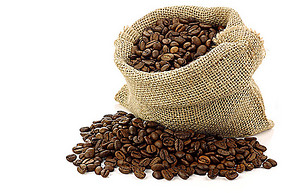
Amber coffee is a Chinese trademark of CubitaCoffee, Cuba.
Following caf é (Wechat official account vdailycom) found that the Beautiful Cafe opened a small shop of its own in 1748, coffee was introduced from Dominica to Cuba, and Cuba has been growing coffee ever since. The coffee bean selected by the Cuban Cubita is an Arabica variety grown in the Crystal Mountains of Cuba. It is produced and used by the farmers themselves, so it is considered to be of higher quality and better quality.

Cuban Crystal Mountain Coffee Flavor description Variety producing area characteristics introduction to the taste of high-quality coffee beans
The longest river in Cuba, the Ro Cauto, is 370km long. [1] Cuba has more than 200 rivers and thousands of streams, most of which run north-south, so the current is shallow and fast. The Cato River, which flows east-west to the north of the Maestra Mountains, is the largest river in Cuba, but it is only 370 kilometers long and is the only navigable river in Cuba. Cuba's coastline is tortuous and average.
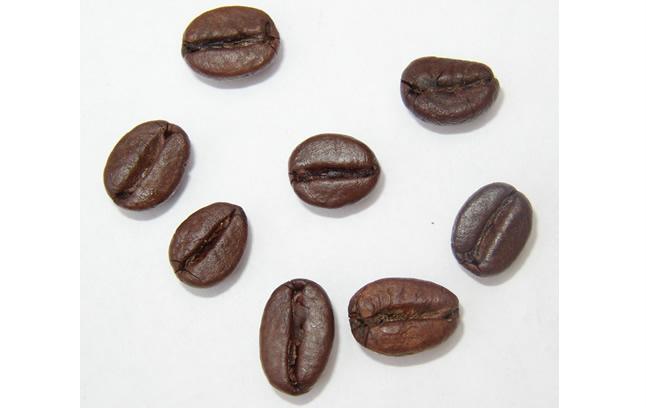
Cuban Crystal Mountain Coffee beans are introduced, Cuban Crystal Mountain Coffee beans are boiled
Flavor and taste characteristics: full of particles, uniform taste, tobacco flavor the Republic of Cuba is located in the West Indies, with a detached and primitive natural environment, the beautiful Caribbean Sea and the world-famous Crystal Mountain Coffee. In 1748, coffee was introduced into Cuba from Domiga, and Cuba began to grow coffee ever since. The land in Cuba is fertile, the climate is humid, and Rain Water is abundant.
Cuban Coffee: Crystal Mountain Coffee
Cuba: Crystal Mountain Coffee flavor and taste characteristics: full of particles, uniform taste, the Republic of Cuba is located in the West Indies, has a detached and primitive natural environment, the beautiful Caribbean Sea and the world-famous Crystal Mountain Coffee. In 1748, coffee was introduced into Cuba from Domiga, and Cuba began to grow coffee ever since. The land in Cuba is fertile and the climate is humid.

Introduction to the quality and taste of Coffee Manor name, Origin and Flavor description in Cuba
Cuban coffee introduces that there are nickel, cobalt, manganese, chromium, iron and copper with mining value. Among them, nickel reserves are about 6.6 million tons, accounting for 40.27% of the world's total reserves. Manganese reserves are about 7 million tons; chromium reserves are also abundant; iron ore reserves are about 3.5 billion tons, mainly distributed in the Nippe Mountains and Balakoa Mountains, which is one of the largest reserves in the world; almost all the mountains in Cuba

Cuban Crystal Mountain Coffee with Tobacco flavour
Located in the West Indies, the Republic of Cuba has a detached and pristine natural environment, the beautiful Caribbean Sea and the world-famous Crystal Mountain Coffee. In 1748, coffee was introduced into Cuba from Domiga, and Cuba began to grow coffee ever since. With fertile land, humid climate and abundant Rain Water, Cuba can be called a natural treasure land for coffee cultivation. The suitable natural condition is the growth of coffee trees.

A brief introduction to the flavor, taste and aroma characteristics of noble Cuban Crystal Mountain boutique coffee beans.
Crystal Mountain Coffee beans are typical island beans with a clean and delicate taste, slightly sour taste, not strong but long-lasting, with sweet fruit aromas. The coffee made by it was owned by Jane in 1748, and coffee was introduced to Cuba from Domiga, and Cuba has been growing coffee ever since. With fertile land, humid climate and abundant Rain Water, Cuba can be called a natural treasure land for coffee cultivation. Suitable self
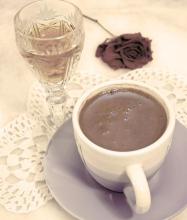
Fruit aromas of Cuba Crystal Mountain Coffee Estate Flavors Taste characteristics
Cubita is produced from the uncontaminated coffee of Crystal Mountain, a high-altitude area of Cuba. Crystal Mountain is geographically adjacent to the Blue Mountains of Jamaica and has similar climatic conditions, which can rival Jamaica Blue Mountain coffee. Crystal Mountain is also known as the Blue Mountain of Cuba. So there are a lot of coffee under the Cuban Blue Mountain banner, but the purest Crystal Mountain coffee Cubita, is allowed to use Cuban crystal.

Cuba Crystal Mountain Coffee Flavor Taste Manor Production Features Fine Coffee Bean Introduction
In Cuba, coffee cultivation is regulated by the state, and the best coffee-growing areas in Cuba are located in the Central Mountains. Because this area is not only planted with coffee, but also produces precious minerals such as quartz and crystal, it is also known as Crystal Mountain. Currently, Crystal Mountain Coffee is synonymous with premium Cuban coffee. Crystal Mountain is geographically adjacent to the Blue Mountains of Jamaica and climatic conditions
A brief introduction to the slightly sour Cuban Crystal Mountain boutique coffee bean flavor, taste and aroma characteristics.
Crystal Mountain Coffee beans are typical island beans with a clean and delicate taste, slightly sour taste, not strong but long-lasting, with sweet fruit aromas. The coffee made by it was owned by Jane in 1748, and coffee was introduced to Cuba from Domiga, and Cuba has been growing coffee ever since. With fertile land, humid climate and abundant Rain Water, Cuba can be called a natural treasure land for coffee cultivation. Suitable self

A brief introduction to the origin, development, history and culture of the noble Cuban Crystal Mountain boutique coffee beans.
Crystal Mountain Coffee beans are typical island beans with a clean and delicate taste, slightly sour taste, not strong but long-lasting, with sweet fruit aromas. The coffee made by it was owned by Jane in 1748, and coffee was introduced to Cuba from Domiga, and Cuba has been growing coffee ever since. With fertile land, humid climate and abundant Rain Water, Cuba can be called a natural treasure land for coffee cultivation. Suitable self
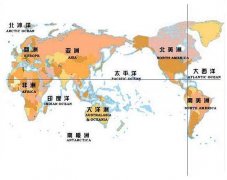
Cuban Coffee West Indies Crystal Mountain Coffee
Cuba: Crystal Mountain Coffee flavor and taste characteristics: full of particles, uniform taste, the Republic of Cuba is located in the West Indies, has a detached and primitive natural environment, the beautiful Caribbean Sea and the world-famous Crystal Mountain Coffee. In 1748, coffee was introduced into Cuba from Domiga, and Cuba began to grow coffee ever since. The land in Cuba is fertile and the climate is humid.

An introduction to the Flavor description of the Grinding scale production area of Coffee beans in Crystal Mountain, Cuba
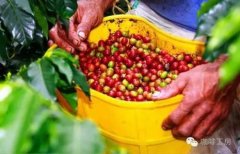
In Cuba, most of the coffee beans are picked by hand. Coffee beans are picked about every half a month during the ripening period. During or after picking, coffee beans are classified and those immature and bad beans are removed to ensure the quality of the coffee. Cubans usually deal with coffee beans in two ways: sun exposure and water washing. Sunbathing is the easiest,

Introduction to the Flavor of Fine Coffee beans in the Coffee Manor of Crystal Mountain, Cuba
At present, Jingshan coffee is very precious. This is mainly for two reasons. The first reason is the economic sanctions imposed by the United States against Cuba and the non-opening up of Cuban imports. The second reason is that at present, Cuban coffee beans are mostly acquired by the French and Japanese markets, especially Japan, so it is difficult to buy coffee beans directly from Cuba. Still, Cuban coffee
Boutique Cuban coffee
In 1748, coffee was introduced into Cuba from Domiga, and Cuba began to grow coffee ever since. With fertile land, humid climate and abundant Rain Water, Cuba can be called a natural treasure land for coffee cultivation. The suitable natural conditions provide a favorable natural environment for the growth of coffee trees, and coffee is well planted and developed here. In Cuba, the cultivation of coffee is regulated by the state. Cuba is the best
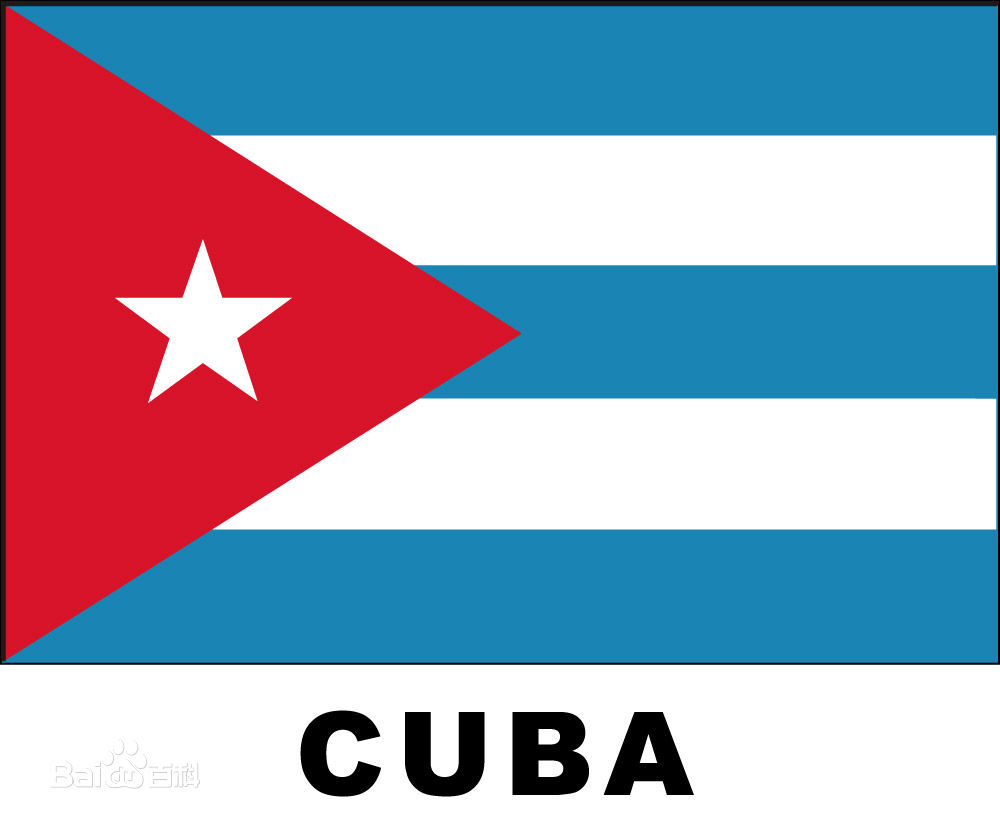
Cuba Fine Coffee Bean introduction and description of Fine Coffee Bean Flavor in the Republic of Cuba
It would be a pity if the country that produces cigars does not have the best coffee to match it. The best coffee in Cuba (Cuba) is Turquino or Extra Turquino. Tujino is a coffee grade, not a place name, just like Blue Mountain. This kind of coffee has a pure flavor

Cuba's top crystal coffee flavor taste estate introduction boutique coffee beans
Crystal mountain coffee is very precious. There are two main reasons for this. The first reason is the economic sanctions imposed by the United States against Cuba, which do not allow Cuba to import goods. The second reason is that Cuban coffee beans are currently mostly bought by French and Japanese markets, especially Japan, so it is difficult to buy coffee beans directly from Cuba today. Still, Cuban coffee is popular among coffee lovers worldwide